
Design and produce a real high-quality handbag from first sketch to factory floor as a Handbag Designer.
Master the full professional workflow from sketching, pattern making, tech packs, materials sourcing, AI tools, to brand building, so you can walk into a studio interview or launch your own label with work that speaks for itself.
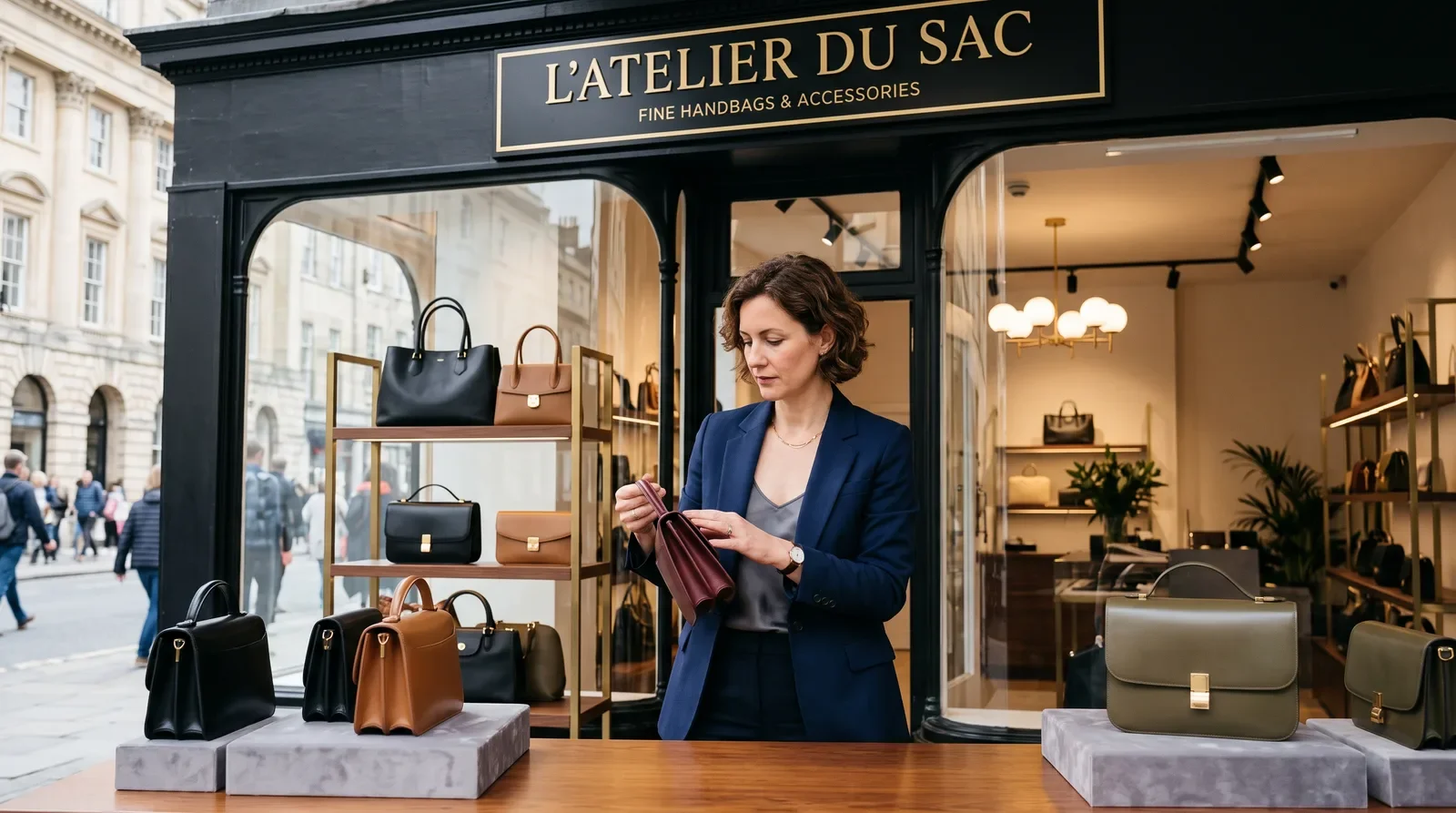
"The gap between a great idea and a produced handbag is completely learnable, and I'm going to prove it to you."
— Jennifer Xue, StyleCareer.com lead course developer
What you'll learn
What you'll be able to do
- Sketch and render a complete mini handbag capsule collection with correct proportion, volume, and material callouts
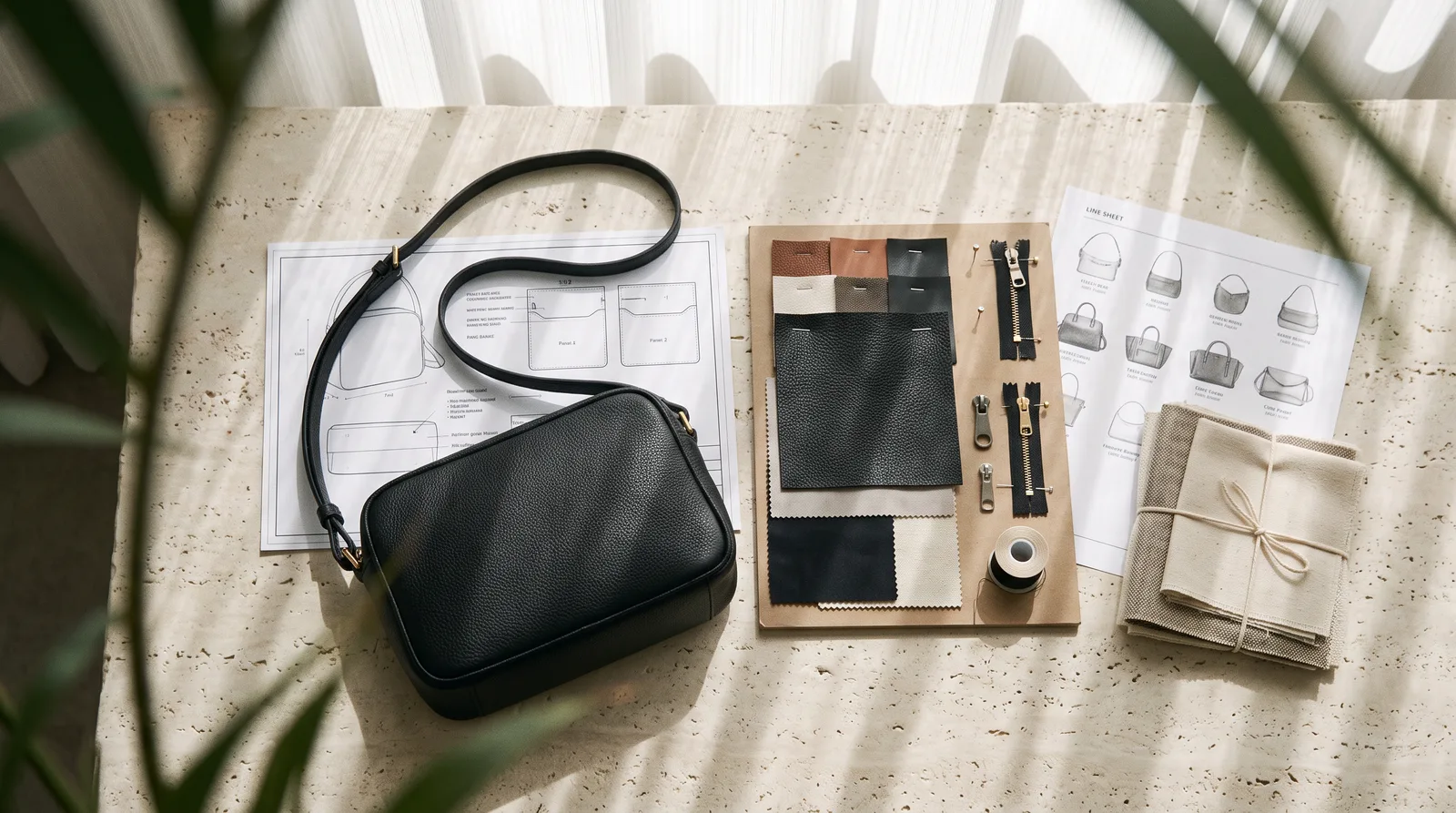
- Build a professional tech pack that a real factory can use to produce a first sample
- Select and spec leathers, hardware, linings, and sustainable alternatives for any bag category
- Draft a basic handbag pattern including panels, gussets, and closure placements
- Use AI and 3D tools to generate concept boards, iterate colorways, and visualize prototypes before sampling
- Create a portfolio, line sheet, and brand narrative strong enough to pitch to retailers or apply to in-house roles
How it works
A school that adapts to you
This isn't a set of static videos. Every lesson is generated live and tuned to where you actually are.
We learn your level
A quick placement check tailors your starting point so you're never bored or lost.
Lessons adapt as you go
Each lesson is written for your pace and your goal, adjusting as your skills grow.
Your AI coach keeps you moving
Checkpoints, feedback, and gentle nudges turn progress into a real result.
The curriculum
What's inside your school
12 modules · 48 lessons
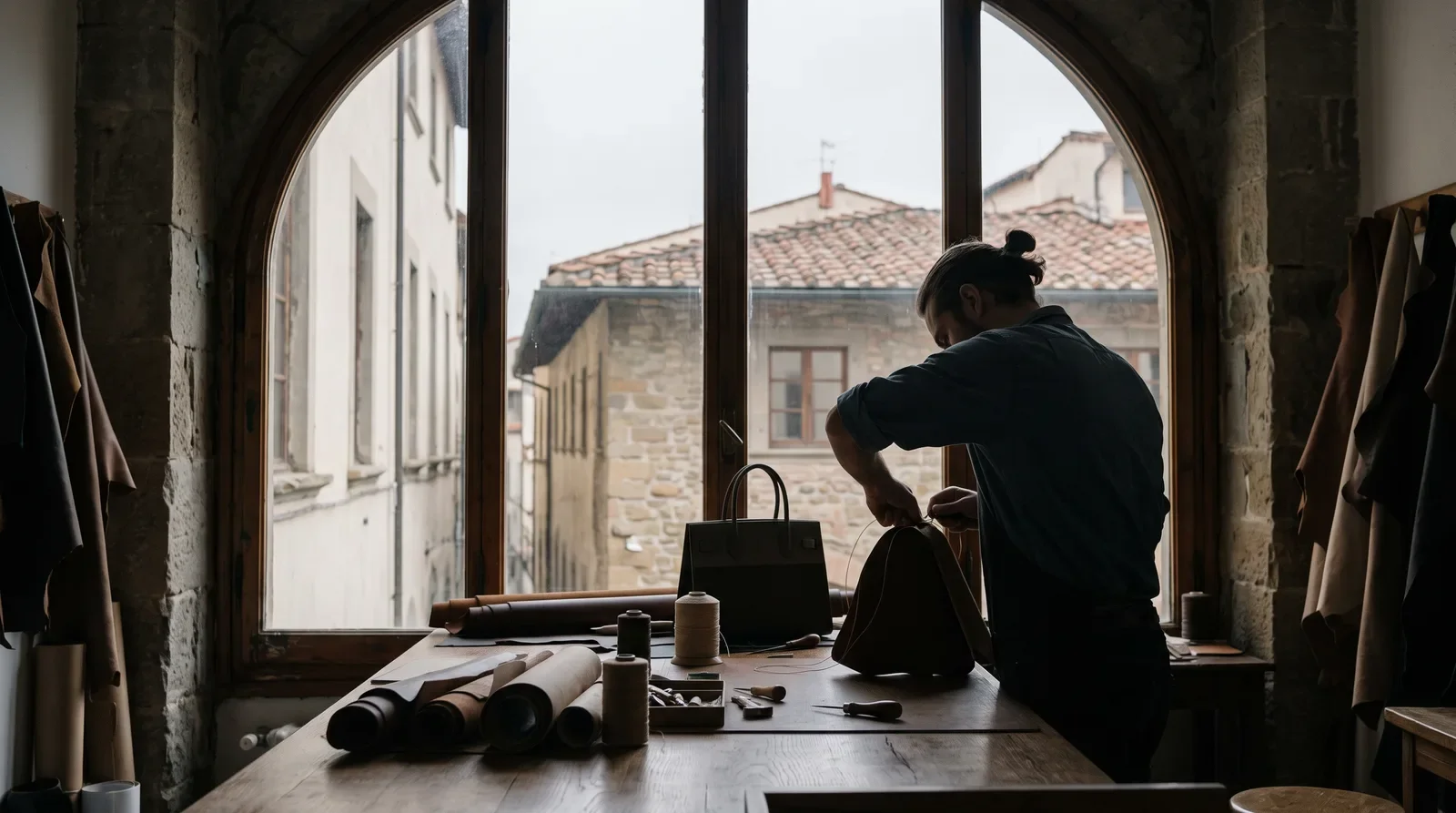
Myths & Realities of the Handbag Designer Profession
Cuts through misconceptions to show what handbag designers actually do, how roles differ, and what a real workday looks like.
- 1.1What a Handbag Designer Actually Does (vs. What People Think)Included
- 1.2Myth-Busting: "It's Just Picking a Nice Leather and Shape" and Other MisconceptionsIncluded
- 1.3Handbag Designer vs. Accessories Designer vs. Product Developer — Clarifying the ConfusionIncluded
- 1.4A Day in the Life: Real Handbag Designers, Real WorkflowsIncluded
Foundations of Handbag Design
Builds essential grounding in handbag history, categories, anatomy, and the development calendar that drives every project.
- 2.1The History and Evolution of Handbag DesignIncluded
- 2.2Handbag Categories: Totes, Crossbody, Clutches, Backpacks, Structured BagsIncluded
- 2.3Anatomy of a Handbag: Body, Lining, Hardware, Straps, ClosuresIncluded
- 2.4Understanding the Handbag Development CalendarIncluded
Design Fundamentals & Sketching
Develops the hand-sketching and rendering skills needed to communicate handbag concepts clearly before any digital tool is touched.
- 3.1Sketching Handbags: Proportion, Volume, and PerspectiveIncluded
- 3.2Translating Inspiration Into a Handbag ConceptIncluded
- 3.3Rendering Materials: Leather, Canvas, Hardware, and TrimsIncluded
- 3.4Practical Exercise: Sketch a Mini Handbag Capsule CollectionIncluded
Digital Design Tools (with AI Tools)
Introduces industry-standard software and AI-powered tools for generating, iterating, and presenting handbag concepts digitally.
- 4.1Industry Software: Illustrator, Rhino, and 3D Rendering BasicsIncluded
- 4.2AI-Assisted Handbag Design: Generating Concepts and Material VariationsIncluded
- 4.3Virtual Prototyping and 3D Visualization for BagsIncluded
- 4.4Practical Exercise: Build an AI-Assisted Handbag Concept BoardIncluded
Materials & Hardware
Covers every material and component a handbag is built from, including sustainable alternatives, so students can spec with confidence.
- 5.1Leather Types, Grades, and Alternatives (Vegan, Recycled, Innovative)Included
- 5.2Hardware Selection: Zippers, Clasps, Rings, and FeetIncluded
- 5.3Linings, Interfacing, and Structural MaterialsIncluded
- 5.4Practical Exercise: Build a Materials and Hardware Spec BoardIncluded
Pattern Making & Construction
Teaches the technical craft of translating a design into a cuttable pattern and understanding how construction choices affect the finished bag.
- 6.1Handbag Pattern Making Basics: Panels, Gussets, and SeamsIncluded
- 6.2Construction Methods: Stitching, Edge Finishing, and ReinforcementIncluded
- 6.3Structuring Bags: Interfacing, Stiffeners, and Shape RetentionIncluded
- 6.4Practical Exercise: Draft a Basic Handbag PatternIncluded
Tech Packs & Sample Development
Teaches students to build factory-ready tech packs and manage the first-sample process from brief to approval.
- 7.1Anatomy of a Handbag Tech PackIncluded
- 7.2Working with Factories on First SamplesIncluded
- 7.3Testing: Durability, Hardware Function, and Strap StrengthIncluded
- 7.4Practical Exercise: Build a Complete Handbag Tech PackIncluded
Small-Batch Production & Sourcing
Covers how to find manufacturers, understand costs and MOQs, and maintain quality across a small production run.
- 8.1Finding and Vetting Handbag ManufacturersIncluded
- 8.2Understanding Minimum Order Quantities (MOQs) and CostingIncluded
- 8.3Quality Control Standards for HandbagsIncluded
- 8.4Practical Exercise: Build a Small-Batch Production PlanIncluded
Building a Collection & Brand Story
Shows how to structure a sellable handbag line, build a compelling brand narrative, and price products for the right market.
- 9.1Structuring a Cohesive Handbag Line: Hero Bags, Core, and SeasonalIncluded
- 9.2Naming, Storytelling, and Brand Narrative for HandbagsIncluded
- 9.3Pricing Strategy: Materials, Labor, and Market PositioningIncluded
- 9.4Practical Exercise: Build a Handbag Line SheetIncluded
AI & Technology Transforming Handbag Design
Explores the full AI and emerging-tech stack reshaping how handbags are conceived, prototyped, and produced responsibly.
- 10.1The AI Handbag Design Stack: Generative Design and Rapid Iteration ToolsIncluded
- 10.2Using AI for Trend Research and Colorway/Material DevelopmentIncluded
- 10.33D Printing and AI-Assisted Prototyping in Handbag DesignIncluded
- 10.4Ethical Considerations: Originality, Material Sourcing, and SustainabilityIncluded
Building Your Portfolio & Personal Brand
Prepares students to present their work professionally online and in portfolio reviews for industry roles or brand launches.
- 11.1What a Handbag Design Portfolio Should IncludeIncluded
- 11.2Presenting Technical Drawings Alongside Finished Product PhotographyIncluded
- 11.3Building an Online Presence: Instagram, Website, and Shop PlatformsIncluded
- 11.4Practical Exercise: Assemble Your Handbag Design PortfolioIncluded
Breaking Into the Industry & Career Growth
Maps every entry point into the handbag industry and equips students to pursue in-house roles, freelance work, or their own brand with a clear strategy.
- 12.1Entry Points: In-House Designer, Freelance, Launching Your Own BrandIncluded
- 12.2Pitching to Retailers and Building Wholesale RelationshipsIncluded
- 12.3Networking: Trade Shows, Leather Goods Communities, and FactoriesIncluded
- 12.4Where to Apply: Brands, Manufacturers, and Launching IndependentlyIncluded
Who it's for
Is this you?

Fashion graduates
You studied design but accessories were barely touched — this fills the handbag-specific gap your degree left wide open.

Aspiring label founders
You have a brand vision and a market in mind; this gives you the full production and business toolkit to actually launch it.

Creative career-changers
You're pivoting into accessories design and need a credible, portfolio-backed foundation that hiring managers will respect.

Freelance designers
You already take design work but want to add handbag clients — and need the technical fluency (tech packs, sourcing, factories) to deliver professionally.

Product developers
You work adjacent to design — buying, sourcing, or merchandising — and want a designer's-eye understanding of how handbags are actually built and costed.

Entrepreneurial makers
You've been crafting bags by hand and want to scale — understanding patterns, tech packs, and small-batch manufacturing is your next step.
Questions
Frequently asked
Jennifer Xue
A note from your teacher

Jennifer Xue of StyleCareer.com
If you've been sketching bags in the margins of your notebooks for years but have no idea how to turn one of those ideas into something a factory can actually build, I know exactly where you are. And I want to tell you: the gap between a great idea and a produced handbag is completely learnable. It's a set of skills, a professional vocabulary, and a process. That's what this school teaches.
I've spent my career moving between the design studio and the factory floor and what I kept seeing, over and over, was talented people stopped cold by the parts nobody had taught them. They could sketch. They had taste. But they didn't know what went into a tech pack, couldn't read a grain direction on a leather hide, didn't know how to talk to a manufacturer without getting taken advantage of. That disconnect is what I built this school to fix.
Here's what you'll actually leave with: a sketched and rendered mini capsule collection with correct proportion and material callouts; a pattern you drafted yourself, with panels, gussets, and closure placements you understand; a complete tech pack a factory can use on day one; a materials spec board that shows you know how to select and compare leathers, hardware, linings, and sustainable alternatives; and a portfolio, line sheet, and brand narrative ready for a retail pitch or a job application. These aren't busywork exercises. They're the exact deliverables that separate candidates who get callbacks from those who don't.
I'm also not going to pretend AI tools don't exist. They're part of the professional toolkit now, and we use them seriously for rapid concept iteration, colorway development, trend research, and 3D visualization before a single sample is cut. I'll show you how a working designer actually integrates these tools, and we'll also talk honestly about the ethics: originality, attribution, and sustainable sourcing.
This school is for the aspiring designer who wants to work at a luxury house, the graduate who wants to go freelance, and the entrepreneur who wants to launch their label. All three paths are mapped out here, from trade show networking and wholesale relationships to finding and vetting manufacturers, understanding MOQs, and setting quality-control standards for small-batch production.
The handbag industry rewards people who know what they're doing and can show it. Come build that foundation with me.
— Jennifer Xue of StyleCareer.com
Start your journey today
Get instant access — learn at your own pace with an AI coach in your corner.
$39/mo
Recurring billing · cancel anytime
Secure checkout · Instant access
- 12 modules, 48 lessons
- AI-adaptive lessons tuned to your level
- Quizzes & checkpoints to lock in progress
- Your own AI learning coach
- Learn on any device, at your pace
- Full access for as long as you're subscribed